

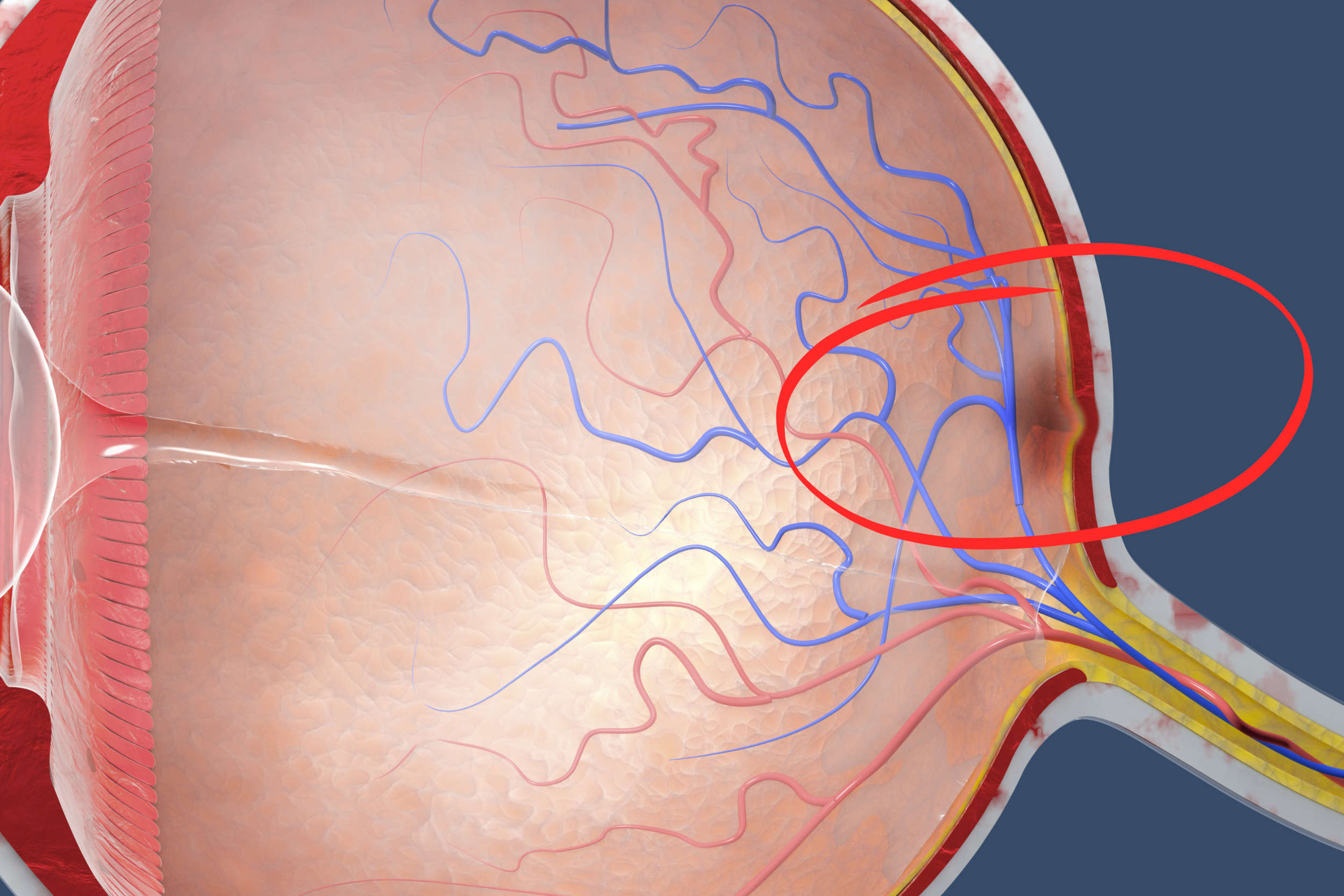
Although it is not always given the attention it deserves, the macula is an essential structure for our vision. This small area of the retina allows us to see details clearly, recognize faces, read, and even distinguish colors. The health of the macula influences daily activities we often take for granted, and any damage to this area can significantly impact our quality of life.
Today, we will explore what the macula is, discuss related diseases, and share practical recommendations for its care.
The macula is located in the retina at the back of the eye. It is responsible for central vision and enables us to perceive fine details, such as the letters in a book or a person's facial features. Additionally, it plays a crucial role in color perception due to its high concentration of cone cells, which are sensitive to light.
The macula includes important structures such as the fovea, the most central and specialized area of the retina. This region contains a high density of photoreceptor cells, contributing to sharp vision. The macula works in coordination with the rest of the retina to ensure optimal visual acuity.
AMD is one of the leading causes of vision loss in adults and the primary cause of legal blindness in people over 50 in developed countries. It presents in two forms:
Common symptoms include blurry vision, difficulty reading, and dark spots in the central field of vision. Causes include aging, genetic factors, and unhealthy habits such as smoking.
Macular edema occurs when fluid accumulates in the macula, leading to swelling and distorted vision. This condition is closely linked to diseases such as venous thrombosis and diabetes, specifically known as diabetic macular edema (DME). If untreated, it can cause significant vision loss.
U macular hole forms when an opening develops in the macula, causing central vision distortion and significant visual loss. This condition requires surgical treatment, typically through a vitrectomy to repair the damage.
Other diseases affecting the macula include epiretinal membrane, characterized by scar tissue on the retina, and central serous chorioretinopathy (CSC), which involves fluid accumulation under the fovea, often found in young men experiencing high stress levels.
A nutrient-rich diet is essential for maintaining a healthy macula. Key nutrients such as lutein, zeaxanthin, vitamin C, vitamin E, and zinc help protect the macula from oxidative damage. Recommended foods include:
Adopting healthy habits can help prevent macular diseases, and one of the most damaging factors for eye health is smoking. Smoking not only increases the risk of developing AMD but also accelerates damage to the retinal blood vessels, directly affecting central vision. Tobacco use induces high oxidative stress in ocular tissues and reduces oxygen supply to the macula, worsening its deterioration.
Other essential habits include maintaining a healthy weight and protecting the eyes from UV exposure. Additionally, managing chronic conditions such as diabetes and ocular hypertension is crucial to preventing complications affecting the macula.
Routine eye exams, particularly with a retinal specialist, are essential for detecting macular problems early. Many macular diseases can be treated effectively if diagnosed in their early stages..
Ophthalmology research is advancing rapidly. The emergence of Optical Coherence Tomography (OCT) has revolutionized the diagnosis and treatment of macular diseases. Additionally, the advanced OCT-Angiography (OCT-A) technology allows angiographic studies without contrast, reducing patient risks while improving diagnostic precision.
Moreover, new treatments for wet AMD have emerged in recent years. Vabysmo and Eylea 8 mg offer improved outcomes in managing the disease, providing longer-lasting effects and enhancing patient quality of life..
LThe Amsler grid is a simple yet essential tool for detecting early macular problems, such as AMD. Its ease of use makes it an ideal self-diagnosis resource at home, helping individuals identify changes in their central vision before they worsen..
Any visual distortions or missing areas should prompt an immediate visit to the ophthalmologist for a more detailed evaluation.
The macula is an essential structure for central and precise vision. Understanding its function and the diseases that can affect it is crucial for maintaining eye health. Adopting a balanced diet, a healthy lifestyle, and scheduling regular eye exams are key steps in preserving macular health.
Taking care of your eyes not only enhances your quality of life but also allows you to fully enjoy the activities you love. What steps will you take today to protect your vision?


Dr. J. Martín - Oftalmología ha sido beneficiaria de Fondos Europeos, cuyo objetivo es la mejora de la competitividad de las PYMES, y gracias al cual ha puesto en marcha un Plan de Acción con el objetivo de reforzar la digitalización y la competitividad de las pymes durante el año 2024. Para ello ha contado con el apoyo del Programa Pyme Digital de la Cámara de Comercio de Tarragona. #EuropaSeSiente
Dr. J. Martín - Oftalmología ha sido beneficiaria de Fondos Europeos, cuyo objetivo es la mejora de la competitividad de las PYMES, y gracias al cual ha puesto en marcha un Plan de Acción con el objetivo de impulsar el uso seguro y fiable del ciberespacio y la competitividad de las pymes durante el año 2024. Para ello ha contado con el apoyo del Programa Pyme Cibersegura de la Cámara de Comercio de Tarragona . #EuropaSeSiente

