

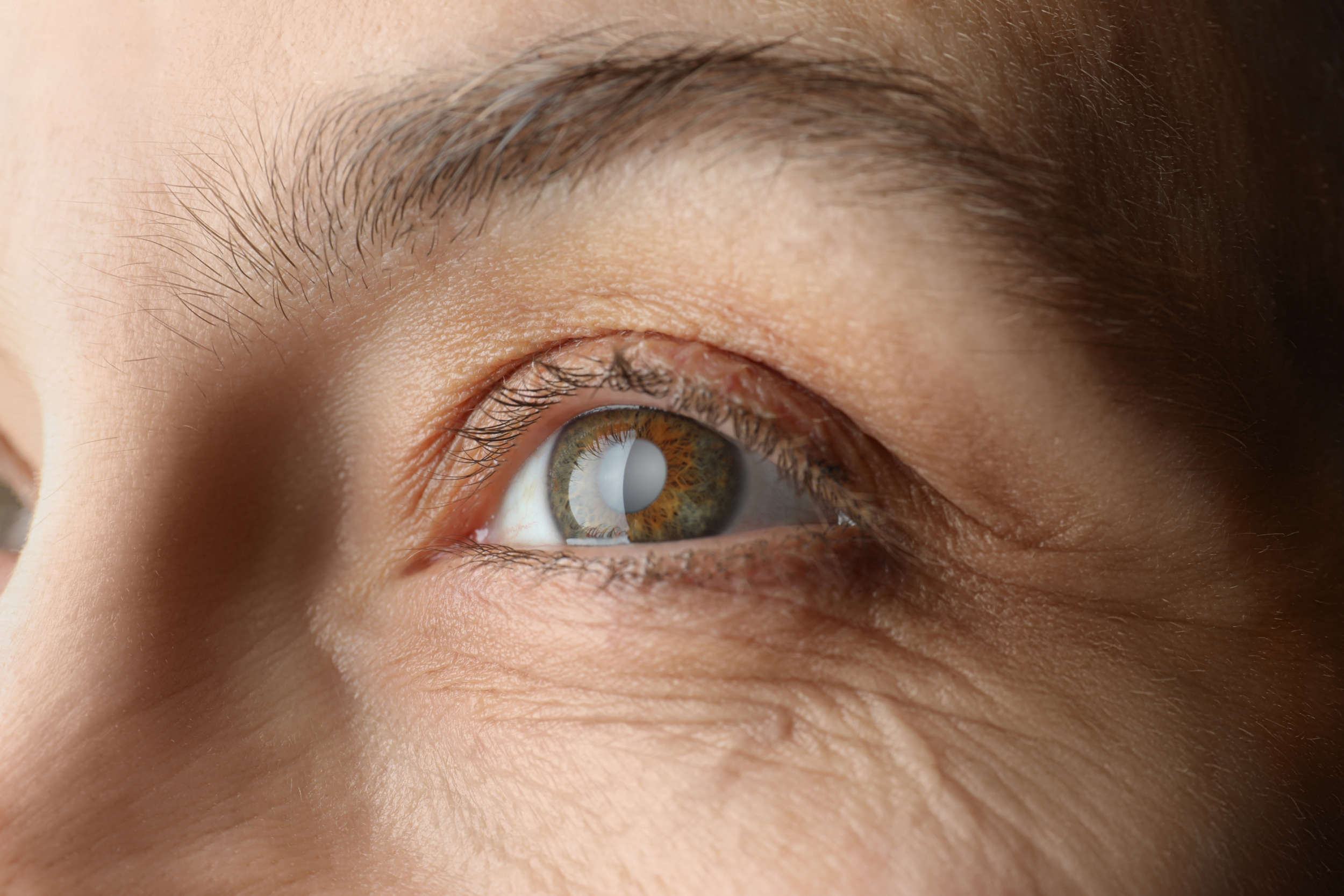
Cataracts are an eye condition characterized by the clouding of the lens, a transparent structure within the eye that helps focus images. This disease is one of the leading causes of vision loss worldwide, primarily affecting older individuals, though it can also appear at younger ages due to congenital factors or trauma.
The symptoms of cataracts usually develop gradually. Common signs include:
Blurry distance vision.
Improved near vision.
Difficulty seeing at night.
Sensitivity to light or glare.
Halos appearing around lights.
Frequent changes in the prescription of glasses or contact lenses.
Loss of color vibrancy.
If you experience any of these symptoms, it is important to consult a specialist for a proper evaluation and to rule out the presence of cataracts.
The good news is that cataracts are a reversible condition. Thanks to advancements in medicine, cataract surgery can restore lost vision and improve the quality of life for patients. This procedure involves removing the clouded lens and replacing it with an artificial intraocular lens that restores visual clarity.
Cataract surgery is an outpatient procedure performed under local anesthesia, typically lasting 20 to 30 minutes. During the operation, the surgeon uses a technique called phacoemulsification, which employs ultrasound to break up and remove the clouded lens. A specially designed intraocular lens is then implanted to meet the patient’s needs.
This procedure not only restores vision but can also reduce or eliminate the dependence on glasses through advanced options such as multifocal lenses.
Cataract surgery ranks as the most performed surgical intervention in Spain. This is due to the high prevalence of the condition, particularly among the elderly population. With the expertise of medical teams and technological advancements, this procedure has become one of the safest and most effective in ophthalmology.
Although cataract surgery is very safe, there are risks, as with any surgical procedure. Rare complications include:
Ocular inflammation or infection.
Retinal detachment.
Secondary opacity of the posterior capsule.
Displacement or issues with the implanted intraocular lens.
However, as noted, these complications are extremely rare today. Advances in surgical equipment and modern techniques have significantly minimized risks, ensuring satisfactory results in the vast majority of cases.
Cataracts pose a challenge to vision but also present an opportunity for improvement through the effectiveness of cataract surgery. If you’ve noticed symptoms such as blurry vision or difficulty seeing at night, don’t hesitate to consult a specialist. With today’s advancements, it’s possible to regain visual clarity and enjoy a better quality of life.


Dr. J. Martín - Oftalmología ha sido beneficiaria de Fondos Europeos, cuyo objetivo es la mejora de la competitividad de las PYMES, y gracias al cual ha puesto en marcha un Plan de Acción con el objetivo de reforzar la digitalización y la competitividad de las pymes durante el año 2024. Para ello ha contado con el apoyo del Programa Pyme Digital de la Cámara de Comercio de Tarragona. #EuropaSeSiente
Dr. J. Martín - Oftalmología ha sido beneficiaria de Fondos Europeos, cuyo objetivo es la mejora de la competitividad de las PYMES, y gracias al cual ha puesto en marcha un Plan de Acción con el objetivo de impulsar el uso seguro y fiable del ciberespacio y la competitividad de las pymes durante el año 2024. Para ello ha contado con el apoyo del Programa Pyme Cibersegura de la Cámara de Comercio de Tarragona . #EuropaSeSiente

